

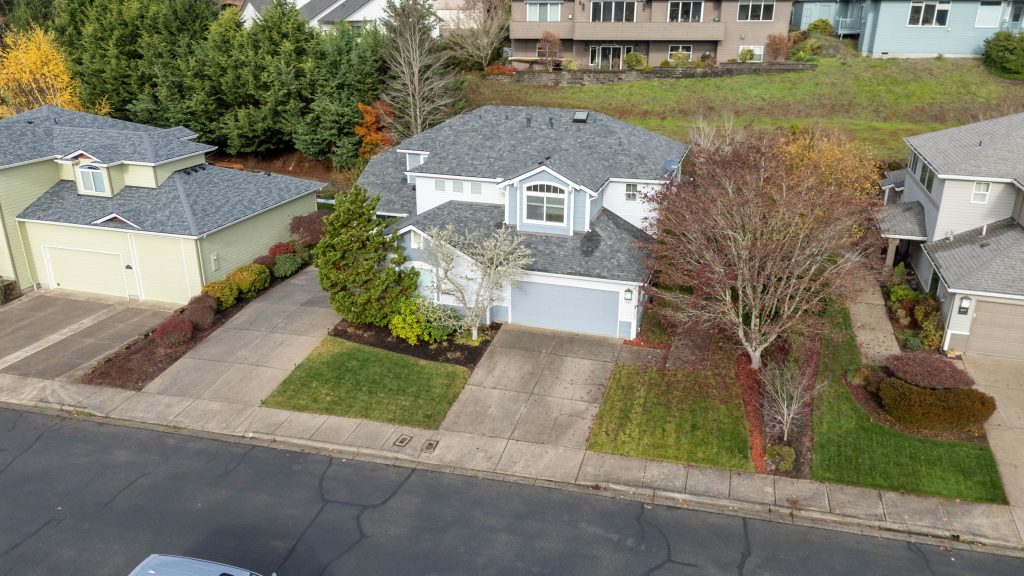
If you use aerial photos or video in your listings, Oregon’s new drone law affects you more than you might realize.
House Bill 3479, which became operative January 1, 2026, doesn’t just regulate drone pilots — it directly involves the clients who hire them, including real estate agents and brokerages HB3479.
Here’s what you need to know.
1. Agents Must Verify Drone Insurance — It’s Now the Law
Under HB 3479, commercial drone pilots must carry aviation-specific liability insurance, and anyone who hires them must verify that coverage before work begins.
That means:
- Asking for proof of drone (UAS) insurance is no longer optional
- A verbal “I’m insured” is not enough
- Hiring an uninsured pilot could expose you or your brokerage to risk
This applies whether the pilot is shooting:
- Listing photos
- Video walkthroughs
- Social media clips
- Exterior-only aerials
If a pilot cannot provide documentation that explicitly covers aviation or unmanned aircraft, they are not compliant.
2. General Business Insurance Usually Isn’t Enough
Many people assume a drone pilot’s general liability policy covers aerial work. In most cases, it doesn’t.
Standard business insurance policies often include an aircraft exclusion, meaning drone flights are not covered unless the policy specifically lists UAS or aviation operations.
As an agent or brokerage, the safest approach is simple:
Ask for a current certificate of insurance that clearly states drone or aviation coverage.
Professional drone pilots should already expect this request.
3. This Law Raises Professional Standards — That’s Good for Agents
HB 3479 effectively raises the bar for who can legally operate drones for hire in Oregon.
The upside for real estate professionals:
- Fewer uninsured or “weekend” operators
- More consistent professionalism
- Clearer accountability if something goes wrong
- Stronger protection for your brand and clients
Working with insured, compliant pilots reduces risk and reinforces trust with sellers, buyers, and managing brokers.
4. What Agents Should Do Going Forward
To stay on the right side of the law:
- Build insurance verification into your booking process
- Keep a copy of the pilot’s certificate on file
- Work with drone pilots who proactively provide documentation
- Treat aerial media like any other licensed, insured service
At Salem Realty Media, we already carry aviation-specific drone insurance and are happy to provide documentation upon request. Our goal is to make compliance easy so you can focus on marketing your listings with confidence.
A Note on Umbrella Liability Policies and Drone Work
Since Oregon’s new drone law is still very new, insurance carriers are actively catching up.
Last week, I spoke directly with my State Farm insurance agent about how my umbrella liability policy applies to drone work. One of the first questions she asked was whether drone operations accounted for more than 51% of my overall business activity.
In my case, drone services represent a relatively small portion of my work—roughly 5–10%. Based on that, she indicated that my current umbrella liability policy does provide coverage for liability related to my drone work, even though State Farm does not yet have drone-specific (UAS) riders or finalized policy language tied to Oregon’s new law.
She also noted that:
- The law is still new enough that many insurers are actively reviewing and updating their internal language
- Formal drone-specific endorsements may come later
- Coverage interpretations can vary based on how significant drone work is within a given business
What this means for agents and brokerages:
Insurance coverage is not always “one size fits all.” Two drone pilots may have very different coverage depending on:
- How much of their business involves drone operations
- The structure of their policies
- How their insurer currently interprets aviation exposure
The safest approach—for both agents and pilots—is transparency. Ask questions, request documentation, and work with professionals who are actively communicating with their insurance providers as the regulatory landscape evolves.
Bottom line: Oregon’s new drone law doesn’t make aerial media harder — it makes it more professional. Agents who understand their role in this process will be better protected and better positioned in a changing regulatory environment.
A quick tip of the hat to Tony Marino of Aerial Northwest, who alerted me to the new law! Thanks, Tony!